
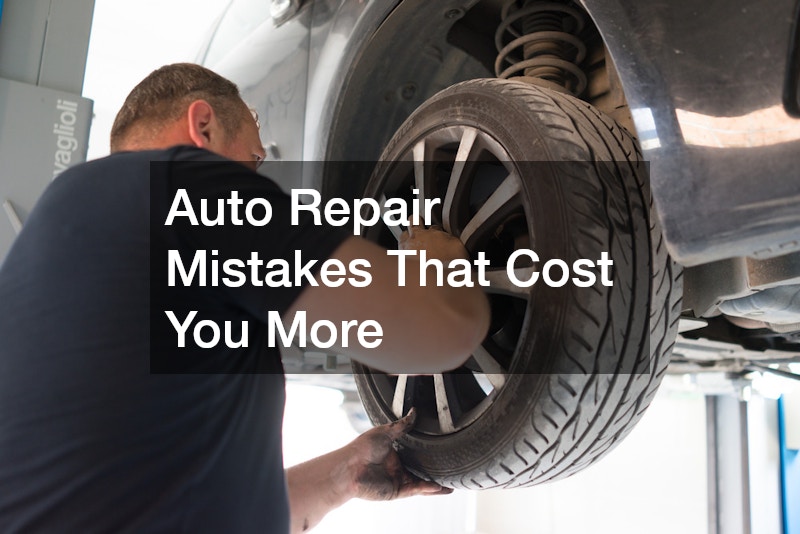

This section introduces the common and costly pitfalls in local auto repair. When faced with vehicular troubles, many car owners are tempted to cut corners or attempt DIY solutions. While these options may seem wallet-friendly at first glance, they often culminate in larger expenses down the road.
When auto repairs are approached hastily or cheaply, it is not uncommon for initial savings to be dwarfed by subsequent maintenance costs. This article delves into the usual mistakes that not only drain more money but also compromise safety and vehicle longevity.
Why It Is Important To Avoid Cheap Repairs
Seeking out cheaper repair options might save money upfront, but it’s crucial to understand the hidden costs associated with them. Cheap repairs often entail the use of substandard parts which can wear out quickly and lead to more frequent repairs. Furthermore, the quality of work associated with inexpensive options is often inconsistent, which can leave critical issues unfixed and potentially escalate into more significant problems over time. It’s also worth noting that some garages might cut corners or omit necessary repairs to keep the prices low, placing vehicle integrity and passenger safety at risk. Avoiding cheap repairs ensures that your car receives the care it needs, ultimately saving time and money in the long run.
Choosing low-cost repair options might also void manufacturer warranties. Many car companies require that specifically approved parts are used during repairs to maintain the warranty. Failure to adhere to this could leave car owners paying out of pocket for issues that would otherwise be covered. Additionally, professional repair shops with certified technicians guarantee a certain standard and consistency in their work that cheaper options often lack. Not only does this provide peace of mind, but it also preserves higher resale value as the vehicle remains in optimal condition over its lifespan.
Common Pitfalls of DIY Repairs
In the era of internet tutorials and DIY culture, many car owners attempt to fix their vehicles themselves. While this seems like a cost-saving strategy, it can often lead to unforeseen complications. Vehicle systems, especially in modern cars, are intricate and require specialized knowledge to properly assess and repair. Without proper expertise, one might inadvertently cause more damage, leading to increased repair costs. Furthermore, improper or incomplete repairs can compromise vehicle safety, risking not only financial loss but also potential harm to the driver and passengers.
Another pervasive issue with DIY repairs is the lack of knowledge regarding vehicle parts compatibility. Car owners might unknowingly purchase parts that are not designed for their specific vehicle model, leading to incorrect installations and potential damage. In addition to compatibility concerns, counterfeit parts are prevalent in the market and can easily mislead DIY enthusiasts. These parts may fail prematurely, resulting in repeated repair cycles and increased costs. Thus, while the DIY approach has its benefits, it is often outweighed by the risks and financial implications it carries.
How Neglecting Maintenance Increases Long Term Costs
Regular vehicle maintenance might seem like a chore and an unnecessary expense to some, but neglecting it can lead to substantial financial and mechanical burdens. Routine practices such as oil changes, tire rotations, and brake inspections are vital in ensuring the smooth operation of a vehicle. Ignoring these can cause wear and tear on components that might have been avoided with simple preventive measures. Additionally, regular maintenance builds a comprehensive service history, which can significantly enhance the vehicle’s resale value. This foresight promotes financial savings, prolongs vehicle life, and supports reliable performance on the road.
Failure to adhere to a scheduled maintenance routine often leads to the deterioration of critical systems. For example, not replacing engine oil at recommended intervals can lead to engine wear due to increased friction between moving parts. The resultant build-up of sludge and debris further exacerbates this problem, leading to overheating and potential engine failure. Similarly, neglecting the vehicle’s cooling system maintenance could result in coolant leaks and subsequent engine overheating. These major repairs are far more expensive than routine upkeep and drastically impact the vehicle’s long-term operational cost.
Another consequence of neglected maintenance is decreased fuel efficiency. Simple tasks like ensuring correct tire pressure, regular oil changes, and replacing air filters can significantly improve gas mileage. Vehicle components are interdependent, and when left unchecked, one system’s inefficiency can affect overall performance. Over time, the costs incurred from increased fuel consumption and the need for major repairs due to system failures can far surpass those of regular maintenance.
This section summarizes the findings and offers final thoughts on avoiding costly auto repair mistakes. While it might be tempting to opt for cheaper repairs or take the DIY route, these approaches frequently lead to heightened costs and compromised vehicle safety. Investing in quality repairs and adhering to a regular maintenance schedule can prevent these issues while preserving vehicle integrity and resale value. By recognizing and avoiding common pitfalls, car owners can ultimately save money and maintain peace of mind. Prioritizing vehicle care is not just an expense but a wise investment in long-term safety and savings.