

Highlights
- Early Legal Action is Critical: Timely intervention from a breach of contract lawyer protects rights, assesses financial damages, and prevents further operational or financial complications.
- Types of Breaches: Legal strategy depends heavily on whether a failure is a material breach (which undermines the core purpose of the agreement) or an anticipatory breach (a clear declaration of future non-performance).
- Multiple Resolution Paths: Experienced legal counsel minimizes costs through out-of-court negotiation and risk assessment while ensuring strong representation if courtroom litigation becomes unavoidable.
Understanding Breach of Contract Disputes and Legal Remedies
Breach of contract disputes can be complex and fraught with uncertainty. Recognizing when to consult a breach of contract lawyer is crucial for protecting your rights and securing a fair resolution.
Such legal situations often arise when there is an evident failure by a party to uphold their contractual promises. They can originate from a misunderstanding of contract terms, unexpected circumstances, or straightforward defiance of agreed stipulations. Understanding the conditions that warrant legal action can prepare individuals and businesses to act decisively and in a timely manner.
Indicators of a Breach of Contract
Non-Performance of Contractual Obligations
Non-performance occurs when a party does not fulfill its contractual duties, leading to a breach. For instance, a supplier may fail to deliver goods on time, causing operational disruptions. In such cases, a breach of contract lawyer can evaluate the contract terms to conclude whether a legitimate breach has occurred. Legal professionals can provide insights into possible civil remedies, such as monetary damages or specific performance. By analyzing the contract and the circumstances surrounding its breach, a lawyer can offer strategic legal advice and recourse options.
Material vs. Anticipatory Breaches
Material breaches are significant failures that undermine the contract’s purpose, whereas anticipatory breaches occur when one party indicates it will not fulfill future obligations. For an overview of how fundamental breaches and repudiation affect agreements, review the Legal Information Institute’s overview of breach of contract. A breach of contract lawyer can help determine the severity of the breach and the appropriate timing for a legal response. In both situations, legal intervention is necessary to assess potential damages and chart a course for resolution. Identifying the type of breach early on aids in choosing effective legal strategies. An experienced attorney will guide you through assessing breaches and determining a clear path forward.
Assessing Damages and Remedies
Assessing damages involves quantifying the financial impact caused by the breach, which can be complex and requires expert analysis. Damages may include compensatory, consequential, or punitive, each suiting different breach circumstances. For a breakdown of how courts evaluate remedies, compensatory losses, and monetary claims, refer to the Legal Information Institute’s analysis of damages. A lawyer’s expertise can be crucial in identifying the right remedy, which may involve seeking financial compensation or enforcing specific performance. Legal professionals draw on their knowledge to ensure clients receive fair settlements or judgments. Understanding potential remedies can help navigate disputes efficiently and effectively.
How a Breach of Contract Lawyer Can Help
Legal Consultation and Risk Assessment
Initial consultations with a breach of contract lawyer involve a detailed review of the contract and breach circumstances. The lawyer evaluates potential risks and liabilities, guiding the client on their rights and obligations. By identifying weaknesses and strengths in a case, attorneys create informed strategies for proceeding with or defending against claims. This thorough risk assessment enables clients to anticipate challenges and prepare suitable responses. Consulting a legal expert minimizes the risk of costly errors and maximizes the potential for a successful outcome.
Negotiation and Settlement
Breach of contract lawyers often aim to resolve disputes through negotiation, which can be more efficient and less costly than litigation. Skilled negotiators strive to achieve favorable terms without resorting to court actions, saving both time and resources. For an overview of standard alternatives to trial, explore the American Bar Association’s guide to dispute resolution. By presenting compelling arguments and fostering constructive dialogues, lawyers facilitate amicable resolutions. This approach often preserves business relationships and minimizes damage to reputations. Negotiated settlements can provide quick, effective resolutions tailored to the needs of both parties.
Representation in Court
If negotiations fail, representation in court becomes necessary to protect a client’s interests and pursue justice. A competent breach of contract lawyer presents evidence, argues cases persuasively, and works towards achieving favorable outcomes. The complexities of court proceedings necessitate an experienced attorney who can navigate legal intricacies and respond to challenges effectively. Legal representation in court not only supports clients but also conveys the seriousness of pursuing rightful claims. Attorneys leverage their expertise to secure enforceable judgments that address contractual breaches comprehensively.
Choosing the Right Breach of Contract Lawyer
Experience and Expertise
Choosing a lawyer with significant experience and expertise in contract law is essential for effective representation. Prospective clients should assess a lawyer’s past cases and legal acumen in contract disputes. This background ensures the attorney can handle complex legal scenarios and successfully advocate for the client’s interests. A lawyer’s expertise enhances their ability to craft sophisticated legal strategies and provide accurate advice. Thorough evaluation of experience contributes to informed decisions when selecting legal counsel.
Reputation and References
Reputation and references offer valuable insights into a lawyer’s capability and track record. Prospective clients should consider recommendations from past clients and peer evaluations. A lawyer’s standing in the legal community often reflects their professionalism and success rate. By seeking references, clients can gauge satisfaction levels with the lawyer’s services and outcomes. These evaluations assist in selecting a lawyer who is not only skilled but also trusted by their clientele.
Cost and Fee Structures
Understanding legal costs and fee structures is fundamental when hiring a lawyer for breach of contract cases. Clear communication about billing methods, hourly rates, and potential additional costs helps in budgeting for services. Clients should seek transparency on retainer agreements, payment schedules, and conditions under which fees may escalate. Lawyers typically offer diverse fee arrangements that can be tailored to a client’s financial needs. Effective management of legal expenses ensures access to necessary legal resources without undue financial strain.
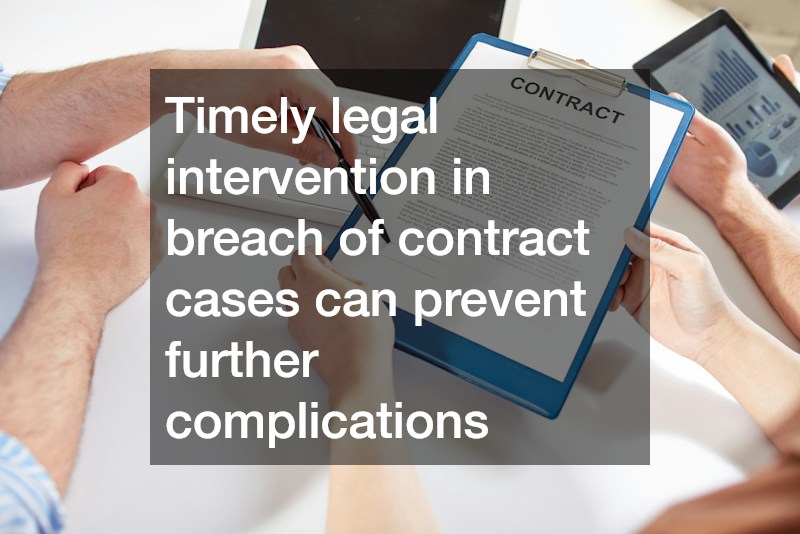
Timely legal intervention in breach of contract cases can prevent further complications and secure the best outcomes. Understanding when to engage a breach of contract lawyer is vital for protecting your rights and pursuing appropriate remedies. A structured approach to resolving contract disputes helps in maintaining business relationships and achieving favorable settlements. By seeking expert legal advice, individuals and businesses can navigate complex legal environments with confidence. Those facing potential breaches should act promptly to consult legal professionals and assess their situations thoroughly.