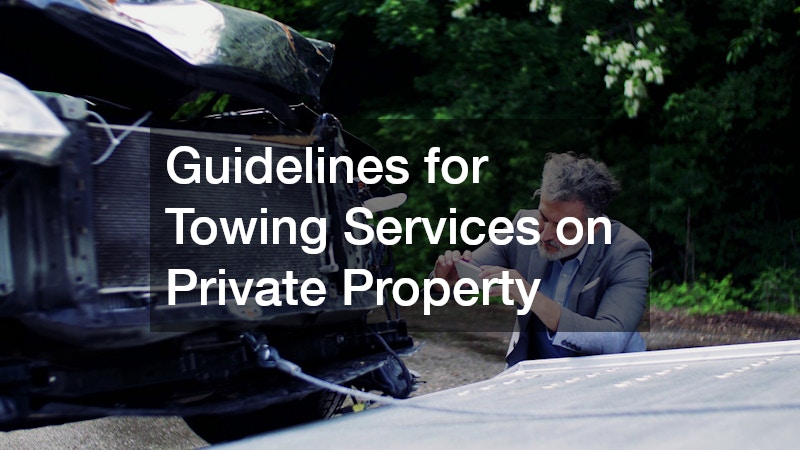

Towing vehicles from private property involves legal, operational, and ethical considerations. Property owners, managers, and the local towing service must understand the rules and best practices to avoid disputes and liability. Clear guidelines help ensure towing is conducted lawfully, safely, and transparently. Understanding these procedures also protects relationships with tenants, visitors, and neighbors, preventing misunderstandings that could escalate into legal or reputational issues.
Legal Requirements for Towing on Private Property
Understanding Necessary Permits
To legally perform towing on private property, it is important to know the required permits. Local municipalities often require specific permits that authorize towing services to operate within their jurisdiction.
Property owners must ensure the towing companies they partner with have all appropriate permits.
The process of obtaining permits can vary between regions. Some areas may require operators to meet specific safety and operational standards. Verifying permits periodically ensures ongoing compliance and helps avoid fines or service interruptions. Compliance with permit requirements is a foundation for legal towing operations on private property.
Compliance with Local Regulations
Each municipality or region may have laws governing how towing services should operate. These laws often address issues such as notice periods for vehicle owners and the presence of proper signage indicating towing policies. Towing companies and property owners must be aware of these laws to avoid penalties.
Keeping up with regulations involves monitoring legal updates and zoning laws. Consulting legal specialists or attending local meetings can provide clarity on complex rules. Implementing staff training programs ensures all parties are knowledgeable and compliant.
Notification Procedures
Proper notification of vehicle owners before towing is often a legal requirement. Clear procedures protect both towing service providers and property owners from liability claims.
Requirements typically involve written or electronic communication channels. Some jurisdictions stipulate a warning notice specifying the reason for the potential tow and a designated response period. Using automated systems improves efficiency, ensures accurate records, and reduces disputes over whether notifications were properly issued.
Choosing a Reliable Towing Service
Evaluating Service Provider Credentials
Choosing a reliable and local towing service involves evaluating the provider’s credentials. This ensures that the company is legitimate and can execute its services in compliance with regulations. Checking certification, licensing, and industry affiliations helps determine qualifications.
Reputation and operational history are also important. Online reviews, client testimonials, and inquiries with local authorities provide insights into reliability. Establishing clear communication and expectations upfront minimizes risks associated with towing disputes.
Understanding Service Agreements
Service agreements define the scope and terms of towing operations on private property. They clarify responsibilities and financial implications for both parties. Key elements include fee structures, service limitations, and dispute resolution processes.
Accountability measures, such as notification procedures and compliance with local laws, should be clearly outlined. A lawyer can review contracts to ensure fairness and adherence to regulations. A well-constructed service agreement provides clarity and sets expectations for a cooperative relationship.
Assessing Response Time and Availability
Response time and availability are critical factors when selecting a towing service. Prompt responses minimize parking violations and enhance property management. Evaluating performance through client testimonials and reviews helps gauge reliability.
Availability should include 24/7 access to address emergencies or violations. Confirming operating hours, on-call policies, and service guarantees ensures the towing service can promptly meet property needs.
Best Practices for Property Owners
Policy Implementation
Property managers should establish clear towing policies accessible to tenants and visitors. Policies should outline conditions triggering a tow, steps before towing, and authorized towing companies.
Consistency in enforcement ensures fairness and reduces complaints. Documenting policies in tenant agreements or signage clearly communicates expectations and protects property owners legally.
Regular Review and Updates
Review towing policies periodically to align with changing laws and property needs. Update signage and documentation practices accordingly.
Partnering with professional towing services familiar with local regulations ensures smooth operations, legal compliance, and minimal conflicts with vehicle owners.
Understanding local towing service guidelines on private property is essential for property owners, towing companies, and vehicle owners alike. By adhering to legal requirements, selecting reliable partners, and being aware of vehicle owners’ rights, all parties can ensure a smooth and compliant process.
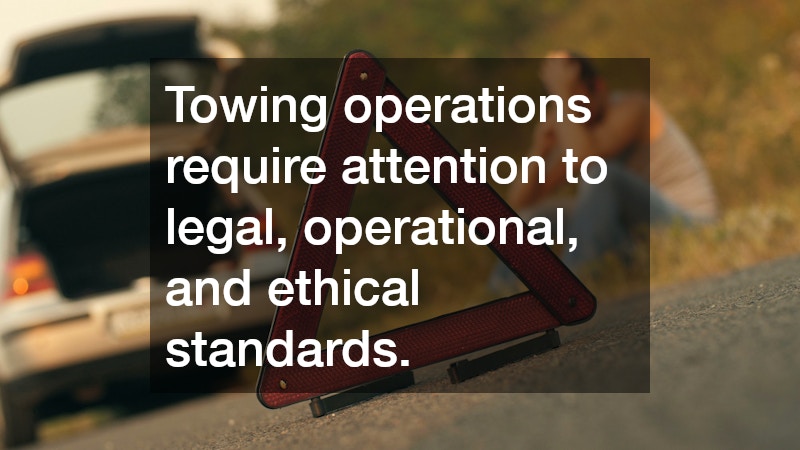
Towing operations require attention to legal, operational, and ethical standards that support harmonious property management. Reliable collaborations founded on transparency, accountability, and proactive communication foster trust and responsiveness. Taking these considerations seriously ensures that towing services protect the interests of property owners while remaining fair and professional toward vehicle owners.